Why Belize? — Monkey Bay Wildlife Sanctuary
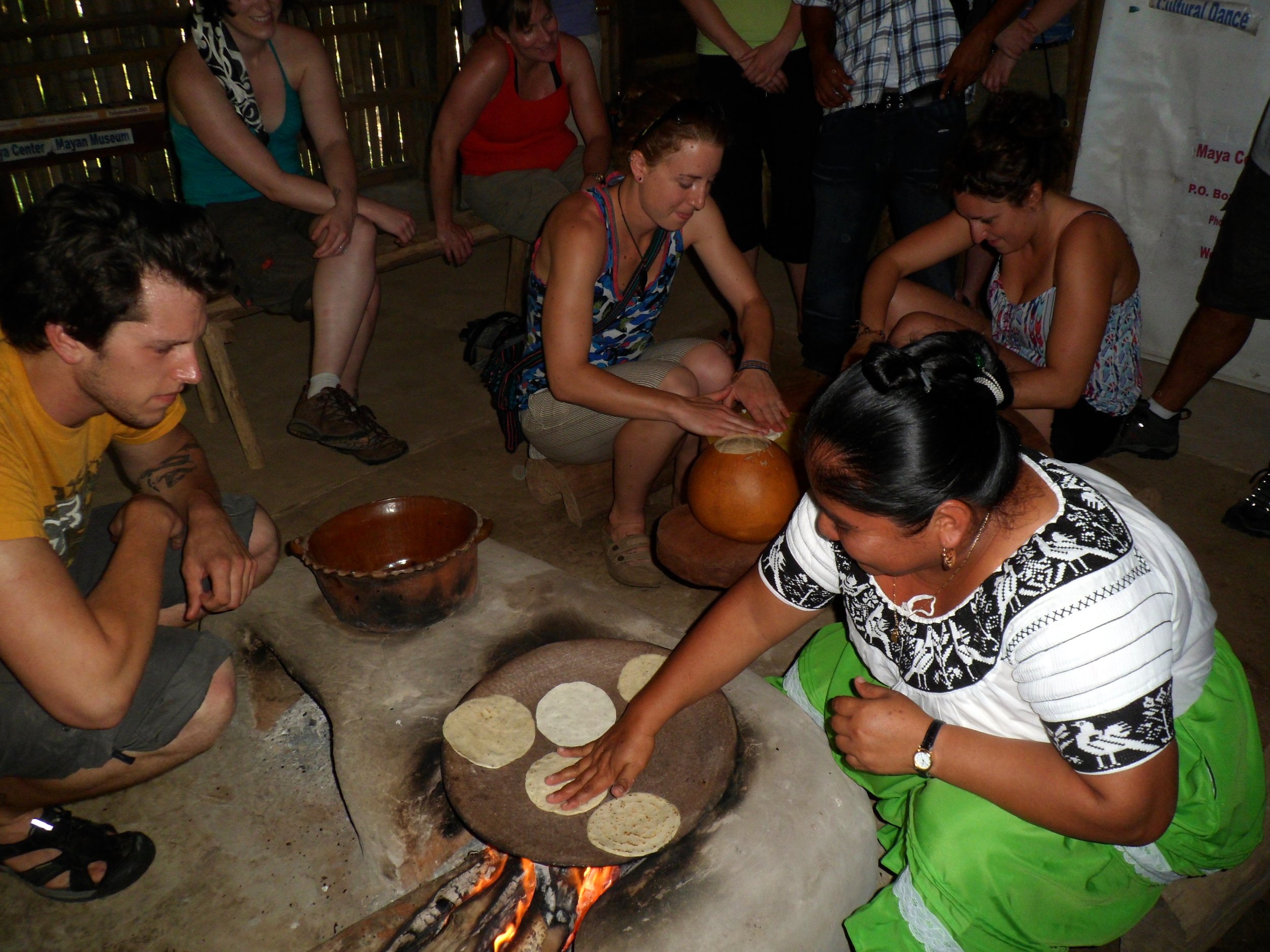
World Class work of creation and evolution. The 2nd largest barrier reef in the world runs all along our coast. Islands, beaches, boating, snorkeling, diving and fishing activities sustain many livelihoods and attract more tourists every year. The 175-mile long Mesoamerican Barrier Reef System (MBRS) is a World Heritage Site and Belizeans support environmental legislation that established and enable maintenance and protection of marine protected areas beneficial to sustaining and protecting marine products and biological diversity while promoting nature-based tourism. Belize and the surrounding countries have some serious history dating back millennia. The Maya Civilisation flourished in this area for hundreds of years, peaking around 800 AD. At that time it is believed the population of Belize was significantly greater than it is today – by up to 4 times the current 325,000 pop. today. Leaving behind pyramids and temples, pottery and jewelry, the landscape (and even the islands and wetlands) is scattered with impressive and lasting Maya structures & forest gardens. Fast forward: Today’s Modern Maya communities of Belize are many and thriving. Belize has a low human population density. There is still very limited industrial development. Part of Belize’s “Brand” is nature and wildlife. Infrastructure and the economy are seriously underdeveloped – and very poor. The plus side of this reality is that there is so much raw bush and tropical forest available for wildlife to flourish and roam Belize. Biological corridor linkages help maintain and protect the predators. The government and citizens of Belize know this is an attraction for tourists and go out of their way to protect wild animals, birds and their natural habitats so that visiting guests can enjoy them in their natural, healthy environment. The Annual Christmas Bird Count eve Authenticity and Humor marks local character. Ex-pats here say they’ve visited a bunch of countries and never met a friendlier or more welcoming, ethnically diverse population. People are relatively unified and proud of their sovereign independence, peaceful co-existence the Americas, and an abundance of natural resources. Local people call Belize population “Boil Up”. (a local dish that mixes ingredients from both land and sea.) Belizeans speak English, and some other really cool ones. Spanish, Maya (Mopan, Kekchi and Yucatec dialects) and everyone’s favorite, Kriol/Creole. Based mainly in English but heavily accented with lots of new words, phrases and accents, you can keep yourself busy f
At a glance
About this Belize website
World Class work of creation and evolution. The 2nd largest barrier reef in the world runs all along our coast. Islands, beaches, boating, snorkeling, diving and fishing activities sustain many livelihoods and attract more tourists every year. The 175-mile long Mesoamerican Barrier Reef System (MBRS) is a World Heritage Site and Belizeans support environmental legislation that established and enable maintenance and protection of marine protected areas beneficial to sustaining and protecting marine products and biological diversity while promoting nature-based tourism. Belize and the surrounding countries have some serious history dating back millennia. The Maya Civilisation flourished in this area for hundreds of years, peaking around 800 AD. At that time it is believed the population of Belize was significantly greater than it is today – by up to 4 times the current 325,000 pop. today. Leaving behind pyramids and temples, pottery and jewelry, the landscape (and even the islands and wetlands) is scattered with impressive and lasting Maya structures & forest gardens. Fast forward: Today’s Modern Maya communities of Belize are many and thriving. Belize has a low human population density. There is still very limited industrial development. Part of Belize’s “Brand” is nature and wildlife. Infrastructure and the economy are seriously underdeveloped – and very poor. The plus side of this reality is that there is so much raw bush and tropical forest available for wildlife to flourish and roam Belize. Biological corridor linkages help maintain and protect the predators. The government and citizens of Belize know this is an attraction for tourists and go out of their way to protect wild animals, birds and their natural habitats so that visiting guests can enjoy them in their natural, healthy environment. The Annual Christmas Bird Count eve Authenticity and Humor marks local character. Ex-pats here say they’ve visited a bunch of countries and never met a friendlier or more welcoming, ethnically diverse population. People are relatively unified and proud of their sovereign independence, peaceful co-existence the Americas, and an abundance of natural resources. Local people call Belize population “Boil Up”. (a local dish that mixes ingredients from both land and sea.) Belizeans speak English, and some other really cool ones. Spanish, Maya (Mopan, Kekchi and Yucatec dialects) and everyone’s favorite, Kriol/Creole. Based mainly in English but heavily accented with lots of new words, phrases and accents, you can keep yourself busy f
- Publisher