History of Belize Currency | Central Bank of Belize
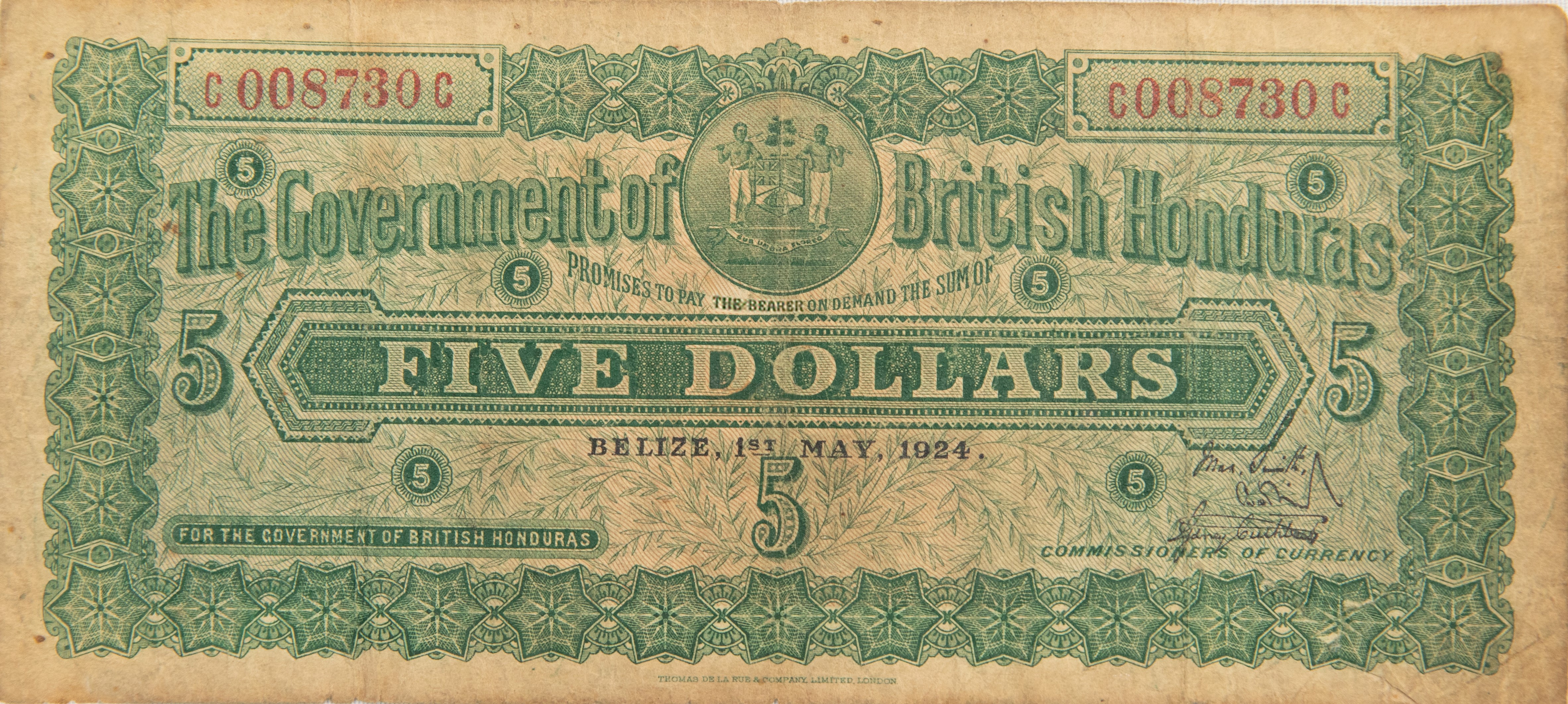
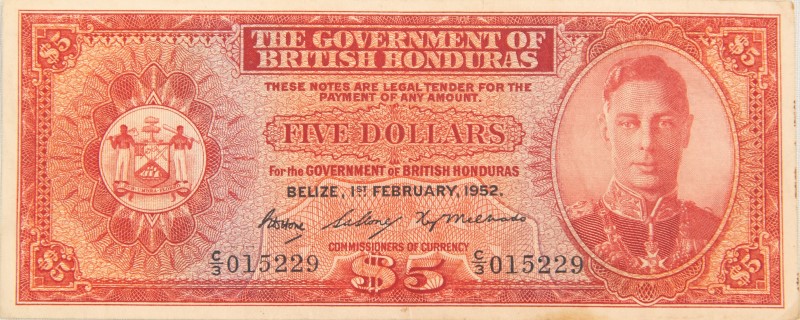
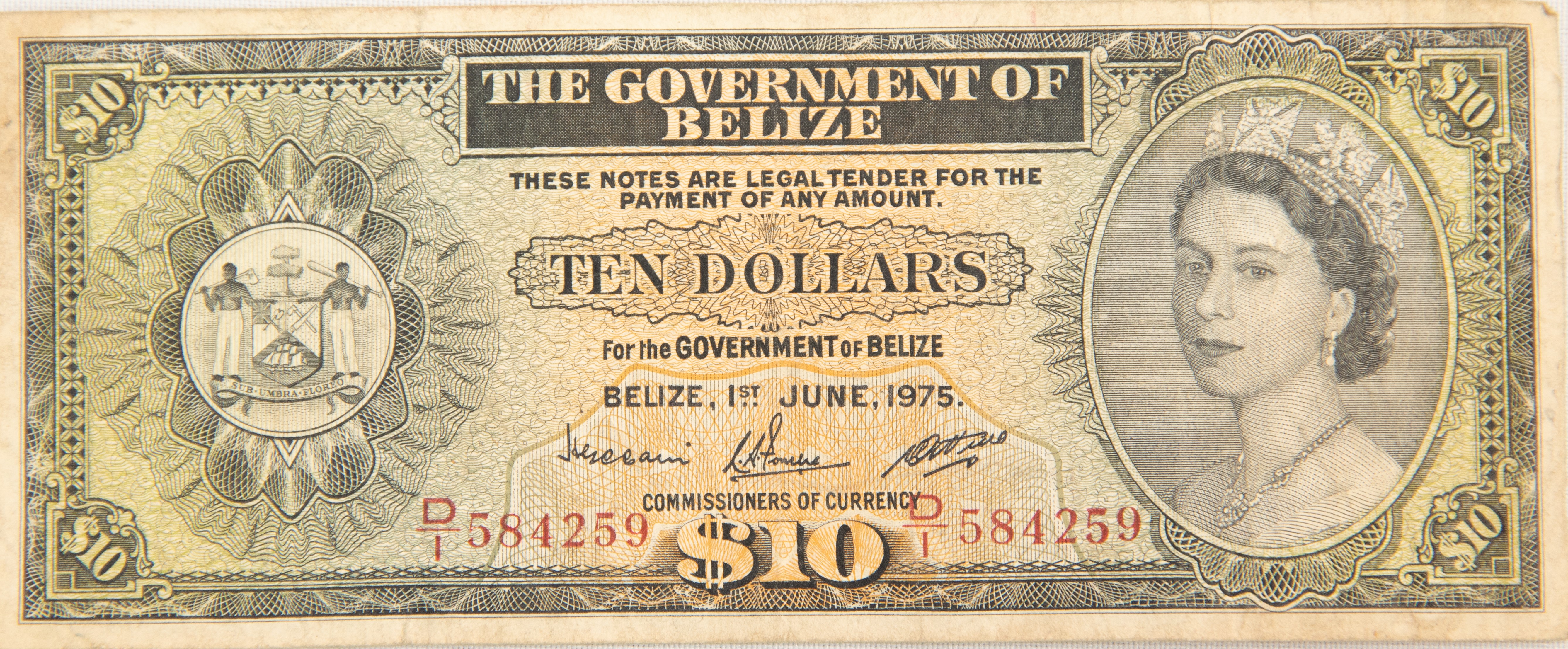
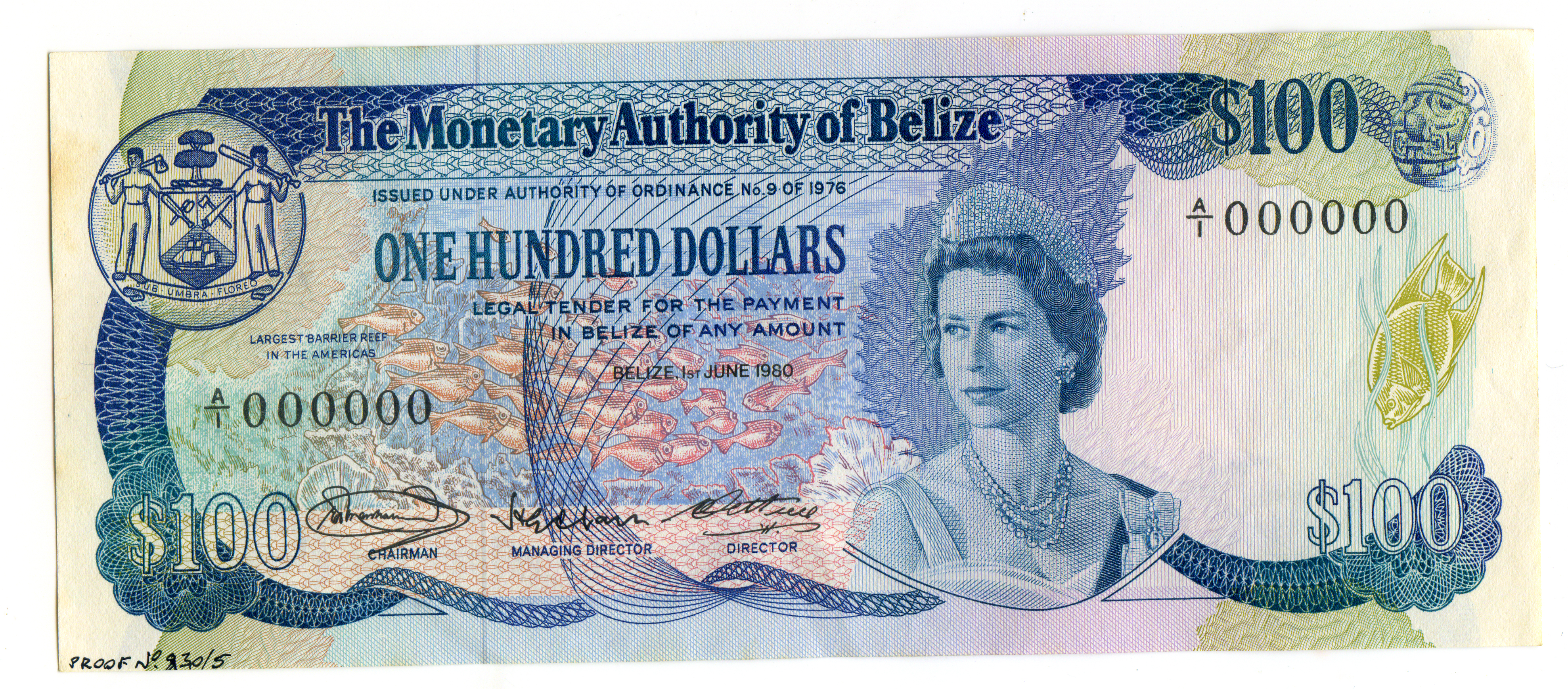
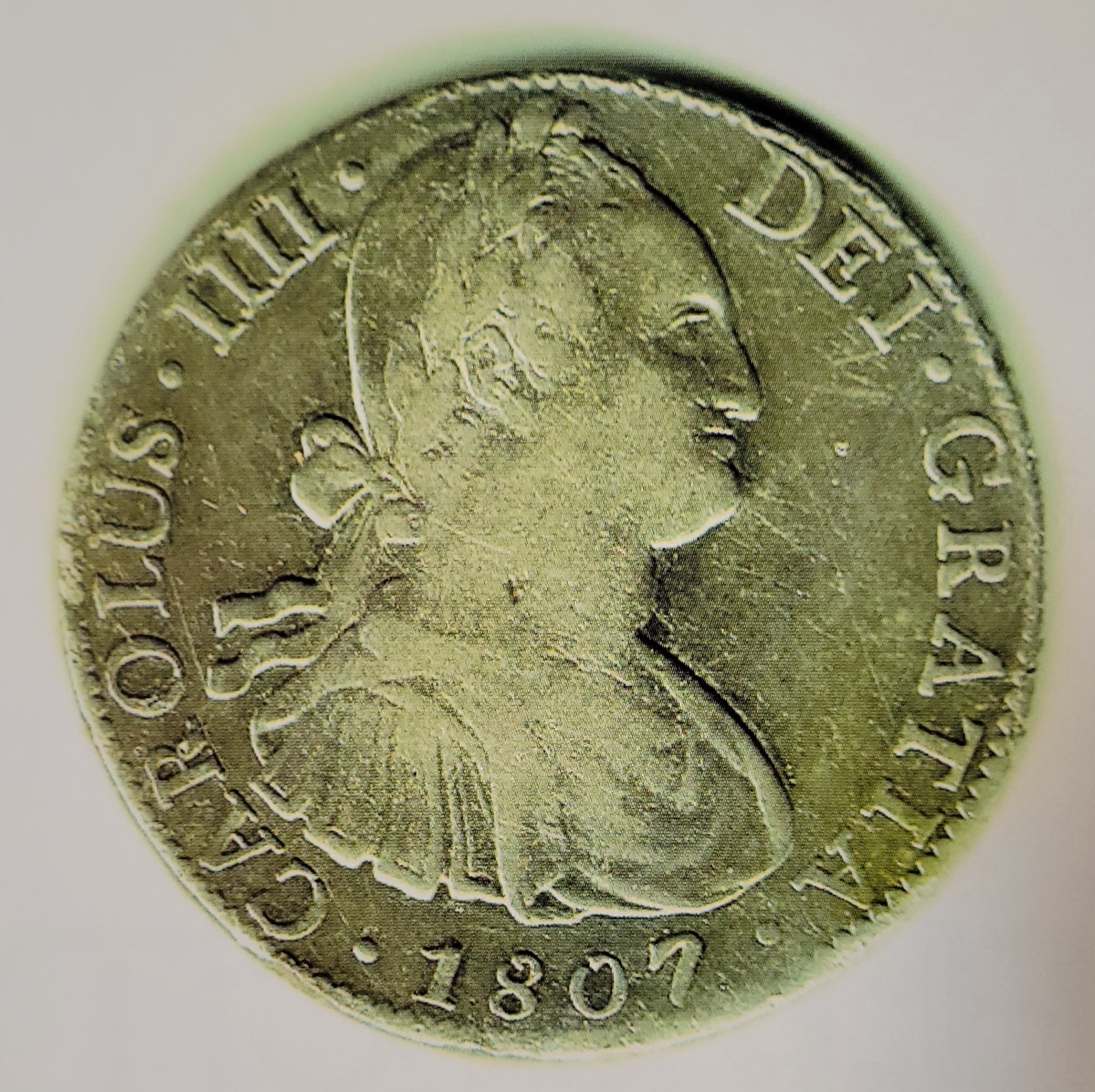
Bartering System of the MayaMaya cities flourished all through Belize from 200-800. There was a marked cultural decline in Southern and Central American in 900-1000. These first inhabitants of Belize bartered for goods using cacao beans, bones, jades, and tiny figurines as money. The SettlementWith the earliest European settlers, British currency was used for money transactions. An extract from Belizean Archives tells the story that the earliest law passed about currency dates to 19 June 1784, when the Jamaica currency was established as legal tender. This law was enforced for sixty years. In 1849, the copper coin of the United Kingdom was declared legal tender, and in 1853, the Superintendent of the colony, Sir Philip Wodehouse, proclaimed that United States dollars could be accepted. At that time, Spanish, Mexican, and Colombian currency were in circulation. The currency continued in this manner until it changed in 1884, when the notes and dollar systems were conso The Colony of British HondurasUp to 14 October 1894, the coins in circulation were principally South and Central American and American Silver Dollars, as well as the various denominations of English - silver and bronze - currency. Up to 1894, there was no paper currency. By Ordinance No. 31 of 1894, the currency was established on a gold basis. Legal tender was established as local subsidiary currency of 50 cent, 25 cent, 10 cent, and 5 cent silver pieces; a nickel bronze 5 cent piece and a bronze cent piece; alongside the American Dollar and the British sovereign and half-sovereign. There was also a local note issue of the following denominations: 1, 2, 5, and 10 dollars. The issue was full Use of the MonarchyWith the establishment of the Currency Board, there was an issuance and standardization of paper currency. The design evolved to include the use of the British Monarchy.
At a glance
About this Belize website
Bartering System of the MayaMaya cities flourished all through Belize from 200-800. There was a marked cultural decline in Southern and Central American in 900-1000. These first inhabitants of Belize bartered for goods using cacao beans, bones, jades, and tiny figurines as money. The SettlementWith the earliest European settlers, British currency was used for money transactions. An extract from Belizean Archives tells the story that the earliest law passed about currency dates to 19 June 1784, when the Jamaica currency was established as legal tender. This law was enforced for sixty years. In 1849, the copper coin of the United Kingdom was declared legal tender, and in 1853, the Superintendent of the colony, Sir Philip Wodehouse, proclaimed that United States dollars could be accepted. At that time, Spanish, Mexican, and Colombian currency were in circulation. The currency continued in this manner until it changed in 1884, when the notes and dollar systems were conso The Colony of British HondurasUp to 14 October 1894, the coins in circulation were principally South and Central American and American Silver Dollars, as well as the various denominations of English - silver and bronze - currency. Up to 1894, there was no paper currency. By Ordinance No. 31 of 1894, the currency was established on a gold basis. Legal tender was established as local subsidiary currency of 50 cent, 25 cent, 10 cent, and 5 cent silver pieces; a nickel bronze 5 cent piece and a bronze cent piece; alongside the American Dollar and the British sovereign and half-sovereign. There was also a local note issue of the following denominations: 1, 2, 5, and 10 dollars. The issue was full Use of the MonarchyWith the establishment of the Currency Board, there was an issuance and standardization of paper currency. The design evolved to include the use of the British Monarchy.
- Publisher
- centralbank.org.bz
- First discovered
- 13 September 2026
- Last checked
- 14 September 2026
Information found on this page